
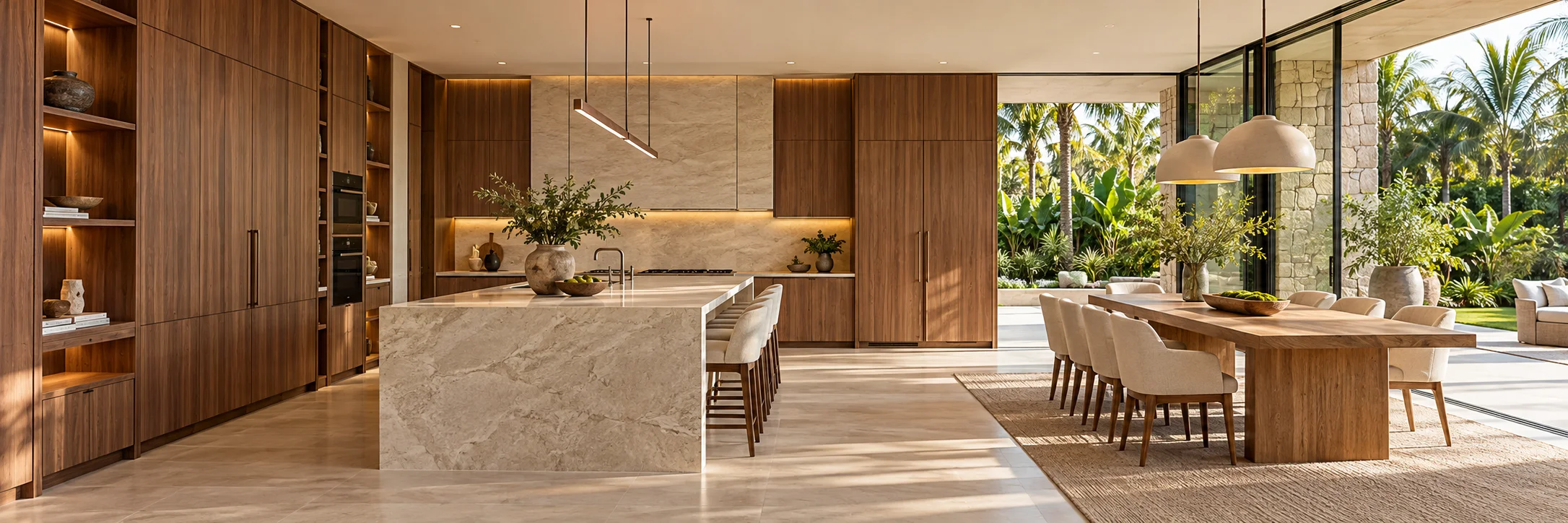
Does Built-In Furniture Break Easily? Stress Testing & Structural Realities
Do you need a trustworthy and reliable whole-house customization company to provide you with high-quality, cost-effective interior furniture customization and design, giving you a delightful surprise in your new home? If so, please contact us.
Contact Number:081-656-5804, 081-656-5808,Email:[email protected]。
Embarking on a custom home installation brings unparalleled aesthetic alignment, but it also raises an essential structural worry: does built-in furniture break easily under the continuous weight of daily life? If an independent, store-bought shelf collapses, swapping it out takes minimal effort. However, if permanently anchored architectural cabinetry splits or fails, it can pull down heavy plaster wall sections, crack expensive baseboards, and leave you with an expensive, messy renovation project. This constant fear of catastrophic failure or sagging panels prevents many from modernizing their spaces. In this deep stress test analysis, we evaluate the real-world breaking points of fitted furniture, pinpoint hidden structural weaknesses, and outline professional carpentry rules to ensure your custom features remain unbreakable for a lifetime.
Table of Contents
- The Physics of Stress Testing: Custom vs. Modular
- Hidden Mechanical Vulnerabilities That Cause Breakage
- Substrate Comparison Matrix: Hardness & Sag Ratings
- The Structural Reinforcement Blueprint
- Final Summary and Structural Assistance
The Physics of Stress Testing: Custom vs. Modular
When analyzing if integrated home additions break down easily, mechanical engineering principles offer clear reassurance. When built and attached correctly, permanent millwork handles massive weight distributions significantly better than any standalone store alternative.
Multi-Point Anchor Load Transfer
Unlike freestanding pieces that rest their total load on individual legs, permanent cabinetry balances weight over a multi-point anchoring footprint. By locking the main framework straight into your property’s internal timber or masonry wall studs, vertical load force is distributed evenly across your home’s existing structural network, preventing joint failure.


Eliminating Geometric Deflection
Fitted units stand up to daily use because they are customized for your room’s specific angles. Elite teams, like the master builders at Sunny Cottage Co., Ltd., employ laser scribing to compensate for uneven floors and leaning walls. This removes micro-wobbles, ensuring that weight distributions do not create unexpected stress patterns over time.
Hidden Mechanical Vulnerabilities That Cause Breakage
While custom installations are inherently durable, certain shortcut construction methods can leave permanent woodwork vulnerable to premature breakage. Recognizing these engineering risks helps protect your investment.
- Fastener Stripping and Thread Shear: Low-density composite materials cannot grip standard wood screws tightly. Continuous daily opening forces strip internal fibers, causing heavy cabinet doors to drop completely out of alignment.
- Backless Twist Failures: Omitting a thick, structural backing panel saves money but allows the main cabinet shell to twist diagonally when drawers are forcefully closed, cracking outer cosmetic trim seams.
- Unmitigated Building Settling: If a builder installs custom units too tightly without appropriate perimeter expansion joints, natural seasonal house shifting will squeeze the frame, jamming tracks and cracking wood joints.
Substrate Comparison Matrix: Hardness & Sag Ratings
The foundational core material selected for your custom storage directly controls its ultimate resistance to heavy loading and impact damage. Selecting cheap raw materials remains the leading cause of early product breakdown.
| Core Structural Material | Fiber Density Rating | Sag-Limit Capacity | Long-Term Breakage Risk |
|---|---|---|---|
| High-Density MR-MDF | 740–780 kg/m³ | Very High (Stable Surface) | Low (Resists environmental stress) |
| Premium Baltic Birch Ply | 700+ kg/m³ | Maximum Strength | Extremely Low (Industrial Grade) |
| Solid Oak / Hardwood | 690–720 kg/m³ | Superior Tensile Grip | Minimal (Naturally highly durable) |
| Standard Low-Grade Particleboard | <500 kg/m³ | Poor (Bends under weight) | High (Fastener threads strip easily) |
The Structural Reinforcement Blueprint
To prevent your home renovation from breaking under stress, ensure your custom build utilizes these professional engineering joint and hardware specifications:
Insist on Deep Interlocking Dado Joints
For high-load shelving and heavy closet partitions, avoid basic face screws or weak plastic pins. Demand interlocking dado joints or glued dowel arrays. This expanded bonding surface area creates a rigid wood connection capable of supporting heavy loads safely.
Verify Hardware Dynamic Cycles
Ensure your installation crew utilizes all-metal, three-way adjustable soft-close hinges rated for a minimum of 50,000 opening cycles. Hydraulic dampeners absorb daily impact energy, shielding fragile wood joints from structural vibration degradation.

Final Summary and Structural Assistance
In conclusion, premium built-in furniture does not break easily on its own. While cutting corners with low-density composite materials, raw open-back frames, and cheap unbranded hardware can cause premature warping and fastener failures, professionally engineered architectural joinery safely avoids these risks. Utilizing high-density moisture-resistant cores and multi-point stud anchoring ensures a rock-solid storage layout that retains its shape, stability, and utility for life.
Protect your custom home modification budget with permanent woodwork engineered to absolute structural perfection. Reach out to the design and renovation engineers at Sunny Cottage Co., Ltd. today to review your home blueprints and obtain an ultra-durable custom furniture quote designed to last generations.
本文来自投稿,不代表Sunshine Cottage Co., Ltd.立场,如若转载,请注明出处:https://www.thailanddecoration.com/does-built-in-furniture-break-easily-stress-testing-structural-realities/

Related recommendations
-
We Do Custom Built-In Furniture: Transforming Your Space with Bespoke Craftsmanship
Table of Contents Introduction: Redefining Interior Spaces Why Choose Tailormade Woodworking Over Modular Options? Precision Engineering for Non-Standard Floor Plans Uncompromising Aesthetic Harmony Our Step-by-Step Custom Cabinetry Process Consultation, Spatial Measurement, and Blueprinting Material Selection and Precision Fabrication Room-by-Room Custom Built-In Applications How SUNNY COTTAGE CO., LTD. Delivers Excellence Conclusion and Actionable Next Steps Introduction: Redefining Interior Spaces Are you tired of trying to squeeze mass-produced furniture into awkward corners, leaving wasted gaps and a cluttered look? Finding pieces that match your exact room dimensions and personal style can feel…
-
Custom Cabinets Refacing | Professional Makeover | Architectural Guide
Dealing with scuffed cabinet panels, peeling surface laminates, and dated door styles can turn your cooking space into a daily source of frustration, even when your core structural boxes remain perfectly stable. Tearing down your entire kitchen setup for a full replacement brings weeks of unhygienic construction dust, temporary plumbing shutdowns, and staggering contractor fees that quickly deplete your budget. Many property owners mistakenly believe that achieving a sleek, modern aesthetic requires total destruction, unnecessarily discarding thousands of dollars worth of solid wood framing. Choosing custom cabinets refacing offers an…
-
How to Choose a Built-in Company You Can Call Back in Five Years
Warranty and after-sales guide for custom furniture buyers Every built-in company looks good on installation day, when the installers sweep up, the doors align and the photos look perfect. The real test starts six months later, when a soft-close hinge begins to squeak, a drawer sticks in humid weather, or a sealant line discolours near the sink. Flat-pack furniture you simply replace — built-ins are fixed to your walls, so when something goes wrong you need the maker to come back. That is why after-sales ability belongs in your decision…
-
Custom TV Cabinet | Architectural Media Wall | Professional Blueprint
Staring at a tangled web of HDMI wires, exposed power strips, and generic furniture that fails to match your living room proportions can turn your relaxation space into a frustrating visual mess. Off-the-shelf media consoles rarely fit exact wall dimensions or accommodate specialized audio-visual components, forcing you to compromise on both aesthetic flow and organizational efficiency. Choosing a custom tv cabinet provides the ultimate structural solution, seamlessly blending architectural craftsmanship with hidden wire channels and tailored storage compartments. Whether you prefer a sleek floating minimalist console or an expansive floor-to-ceiling…
-
Choosing the Right Interior Decoration Contractor: A Master Guide
Table of Contents Introduction: Navigating Your Renovation Journey Understanding the Role of an Interior Decoration Contractor Core Responsibilities and Project Scope Distinguishing Between Designers and Contractors Key Qualities to Look for in a Professional Contractor Verified Portfolios and Client Testimonials Transparent Contracts and Licensing Step-by-Step Hiring Process for Your Renovation How SUNNY COTTAGE CO., LTD. Elevates Your Space Conclusion and Actionable Next Steps Introduction: Navigating Your Renovation Journey Renovating your property should be an exciting milestone, yet many property owners find themselves overwhelmed by unexpected costs, delayed timelines, and unreliable…
-
Luxury Built in Furniture | Childproof Structural Safety | Manual
Designing an elegant, high-end family estate only to realize that traditional heavy wardrobes, loose freestanding display shelves, and mass-market bookcases pose severe physical tipping hazards for curious toddlers creates persistent baseline anxiety for discerning parents. Relying on loose consumer storage items often forces you into an frustrating compromise: using ugly aftermarket plastic strap brackets or bulky corner bumpers that instantly ruin your interior lines and destroy the premium ambiance of your home. Standard furniture lines simply lack the absolute structural anchoring and integrated safety mechanics required to absorb heavy climbing…
-
Custom Wood Bookcase | Architectural Library Wall | Architectural Specification
Dealing with sagging particleboard shelves, wobbly flat-pack units, and generic bookcases that fail to fit your home office dimensions can leave your literature collection looking messy and uninspired. Off-the-shelf shelving rarely accommodates heavy hardcover volumes or awkward architectural alcoves, forcing you to compromise on both structural strength and room aesthetics. Investing in a custom wood bookcase delivers the ultimate spatial upgrade, seamlessly blending fine woodworking craftsmanship with reinforced timber shelves and tailored architectural layouts. Whether you desire a grand floor-to-ceiling library wall or a minimalist freestanding hardwood display unit, bespoke…
-
Aluminum Kitchen Cabinets Disadvantages | Material Fatigue | Strategic Advice
Designing a high-end culinary workspace is a deeply rewarding renovation milestone, but overlooking the true aluminum kitchen cabinets disadvantages can quickly degrade your daily cooking routine into a loud, frustrating experience. While many modern homeowners choose sleek metal alloy systems expecting lifelong waterproofing and absolute resistance to household pests, they are often blindsided by jarring acoustic resonance, permanent surface denting from everyday pot impacts, and a cold clinical atmosphere that strips away your home’s natural warmth. Sourcing luxury kitchen carpentry should never be an expensive guessing game. This empirical analysis…
-
Built-in Furniture Company | Engineering Standards | Evaluation Guide
Embarking on a luxury home transformation is an exceptionally rewarding milestone, yet partnering with an unverified built-in furniture company can quickly compromise your investment with severe structural sagging, dangerous chemical emissions, and visible wall alignment gaps. Many discerning property owners experience intense frustration when uncertified carpentry workshops promise a perfectly flush, seamless appearance but deliver warped shelving units, peeling laminate edge bands, and sudden post-installation delays. Commissioning permanent architectural millwork shouldn’t involve stressful trial-and-error guesswork. This definitive guide establishes transparent manufacturing benchmarks, raw material safety ratings, and kinematic hardware thresholds,…
-
Interior Design Company | Bespoke Joinery | Proven Excellence
Few residential projects are as demanding as transforming an empty or dated property into an effortless, sophisticated home. Many homeowners find themselves caught in a frustrating cycle of coordinating separate stylists, carpenters, and finish trades, only to end up with mismatched wood grains, clumsy clearances, and retail furniture that leaves unsightly dust traps in every corner. Partnering with a comprehensive interior design company eliminates these costly compromises by uniting spatial architecture, aesthetic vision, and bespoke millwork under one roof. Rather than forcing standardized modular boxes into unique living environments, an…
-
Custom-Made Built-In: The Definitive Guide to Tailored Home Interiors
Table of Contents Introduction: Redefining Your Home’s Potential Why Choose a Custom-Made Built-In Approach? Maximizing Awkward Architectural Spaces Unmatched Aesthetic Continuity and Quality The Step-by-Step Journey of Bespoke Craftsmanship Precision Laser Measurement & 3D Modeling Material Selection and Workshop Fabrication Versatile Room-by-Room Applications How SUNNY COTTAGE CO., LTD. Delivers Excellence Conclusion and Actionable Next Steps Introduction: Redefining Your Home’s Potential Are you deeply frustrated by standard, mass-produced furniture that leaves awkward, wasted gaps throughout your living spaces? Finding functional storage solutions that align seamlessly with unique architectural dimensions can feel…
-
Built-in Furniture | Small Space Optimization | Design Analysis
Living within a home constrained by unoptimized standalone chests and mismatched retail wardrobe boxes often leaves families feeling visually claustrophobic, disorganized, and deeply frustrated by shrinking floor plan utility. Awkward architectural columns, narrow hallway contours, and slanted ceiling configurations remain entirely wasted simply because mass-market furniture choices lack the dimensional flexibility to adapt to real-world home geometries. Forcing generic standalone boxes into these highly specialized recesses merely emphasizes wall asymmetries while forming hard-to-clean dead zones that gather household debris. Opting for architectural custom joinery through high-performance built-in furniture introduces a…
-
Navigating a Professional Built-In Service Bangkok for Urban Homes
Table of Contents Introduction Overcoming Urban Spatial Constraints Core Stages of a Fitted Furniture Project Initial On-Site Survey and Dimensioning Controlled Workshop Fabrication Working with Experienced Providers Conclusion and Action Steps Introduction Living in a bustling metropolitan center often means dealing with compact floor plans, unconventional architectural angles, and limited storage options. When off-the-shelf retail furniture leaves awkward gaps and wasted wall spaces, finding a reliable built-in service Bangkok becomes essential for reclaiming your living environment. Managing integrated woodwork projects requires understanding precise room measurements, material durability, and installation workflows…
-
How to Choose a Built-In Company: Navigating Contracts, Warranties, and Service Agreements
Table of Contents Introduction Vetting Service Agreements and Payment Milestones Avoiding Risky Upfront Deposit Structures Defining Clear Scope and Change-Order Policies Assessing Client Communication and Design Workflows Translating Lifestyle Needs into Technical Blueprints Managing Installation Timelines and On-Site Etiquette Understanding Warranty Coverage and After-Sales Support Conclusion & Actionable Next Steps Introduction Securing high-end custom cabinetry involves much more than evaluating wood samples; it requires a deep dive into the legal and service frameworks that protect your renovation investment. When figuring out how to choose a built-in company, many property owners…
-
How long does it take to have a bookcase custom-made? What is the lead time for a custom bookcase?
1. Time Factors in Custom Bookcase Production The timeline for a custom bookcase is influenced by various stages, ranging from the initial consultation—where the designer gathers requirements and details—to design approval, manufacturing, and final installation. Typically, the process takes anywhere from 2 to 6 weeks from the initial needs assessment to home delivery. Factors such as the quantity, materials, complexity, manufacturing methods, and production cycle all impact the total time required. For a more precise estimate, it is advisable to consult the company’s service staff before making a final decision;…